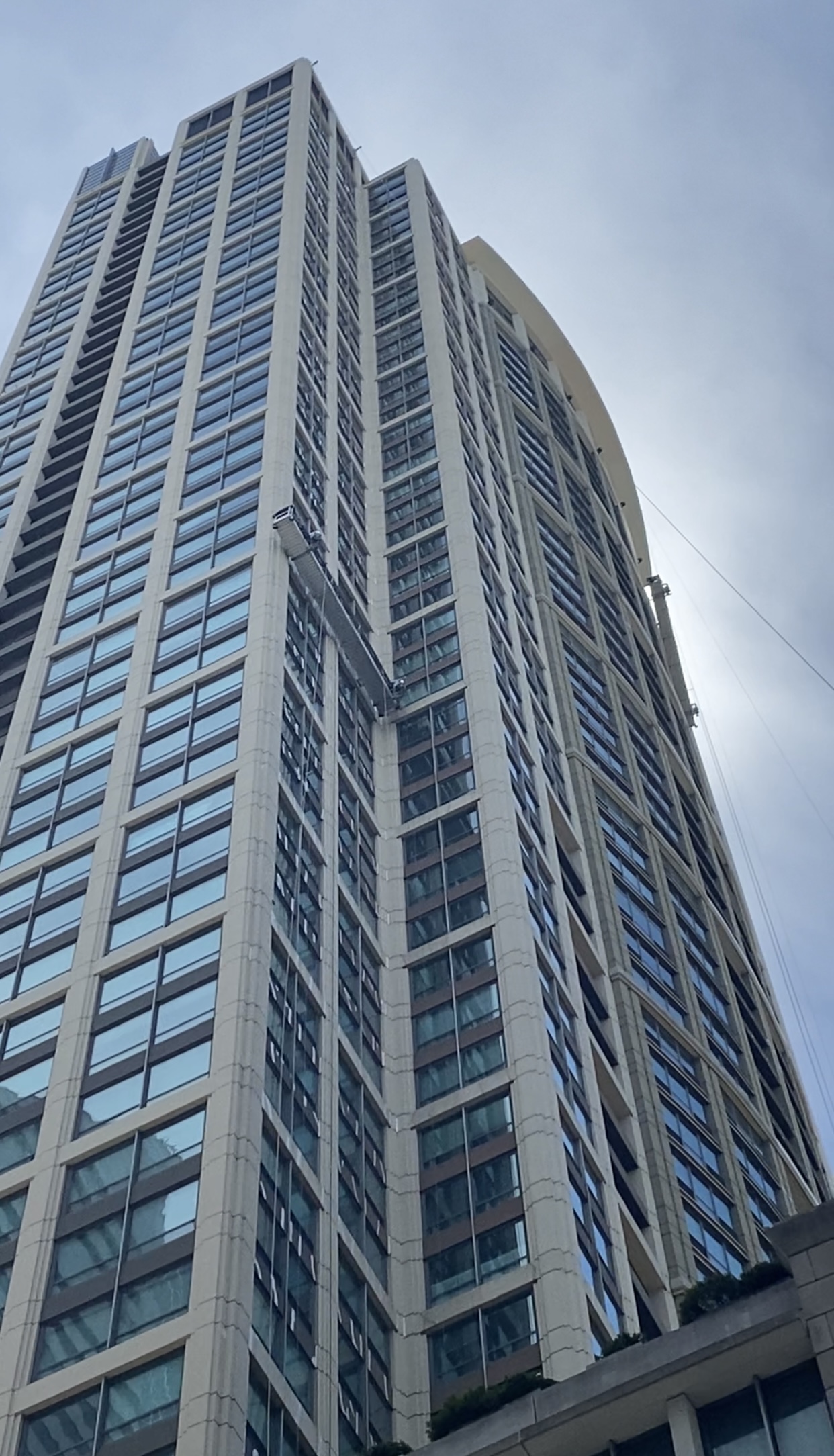
Chicago winters can be tough on buildings. Freezing temperatures, snow, ice, moisture, and repeated freeze-thaw cycles can put additional stress on brick, mortar, concrete, windows, flashing systems, and other components of a building’s exterior.
At Corona Craft Restoration, we provide professional masonry restoration and facade repair in Chicago and the surrounding area. Our services include tuckpointing, caulking, window glazing, concrete repairs, brick work, limestone restoration, terracotta restoration, shelf angle replacement, flashing systems, masonry cleaning, and concrete coatings.
A pre-winter evaluation gives property owners an opportunity to identify areas of deterioration and determine which repairs should be addressed before freezing temperatures arrive.
Why Prepare Your Chicago Building Before Winter?
When moisture enters cracks, deteriorated mortar, or other openings and then freezes, it expands. Repeated freeze-thaw cycles can contribute to further deterioration of masonry and concrete.
This is why winter building maintenance in Chicago should include more than checking heating systems and interior spaces. The exterior facade deserves attention as well. If you want a full list to work from, our masonry maintenance checklist for property managers is a good place to start.
1. Inspect Mortar Joints and Tuckpointing
Mortar joints are one of the first areas to inspect before winter. Over time, exposure to rain, snow, temperature changes, and moisture can cause mortar to crack, erode, loosen, or become recessed. Deteriorated mortar can create pathways for water to enter the masonry wall. Once moisture enters, freezing temperatures can contribute to additional deterioration.
Look for:
- Cracked mortar joints
- Missing or loose mortar
- Crumbling joints
- Deeply recessed mortar
- Areas with recurring water infiltration
If mortar joints are significantly deteriorating, tuckpointing may be necessary. Tuckpointing involves removing deteriorated mortar and replacing it with new mortar appropriate for the existing masonry. See what tuckpointing costs and when you need it in Chicagoland.
Tuckpointing can help restore deteriorated joints, but recurring problems should also be investigated for possible moisture sources. Damaged flashing, failed caulking, or deteriorated brick may be contributing to the condition.
2. Look for Cracked, Spalling, or Damaged Brick
Brickwork should also be inspected before winter. Chicago buildings can experience brick deterioration from long-term weather exposure, moisture infiltration, building movement, and freeze-thaw conditions.
Look for:
- Cracked brick
- Spalling
- Chipped or broken brick
- Loose masonry
- Bulging areas
- Displaced brick
- Recurring deterioration
Spalling occurs when portions of the brick face or masonry unit break away. If moisture is entering the affected area, winter conditions can contribute to continued deterioration. When the same area repeatedly deteriorates, the surrounding mortar, flashing, caulking, shelf angles, and other facade components should be considered. Our brick repair services cover individual brick and full sections, and this guide on brick facade moisture damage explains the warning signs.
3. Check Exterior Caulking and Sealants
Exterior caulking is another important component of winter building preparation. Sealants are used around windows, masonry joints, transitions, and areas where different building materials meet. Over time, caulking can crack, shrink, harden, or pull away from surrounding materials.
Property owners should look for:
- Cracked caulking
- Missing sealant
- Gaps around windows
- Separation between materials
- Deteriorated joints
- Water staining near sealed areas
Failed caulking can create an opening for moisture to enter the building envelope. Caulking is often part of a larger masonry restoration project. When failed sealants occur alongside deteriorated brick or mortar, addressing the related conditions together can provide a more complete approach to protecting the facade. Learn more about how this fits into building envelope restoration.
4. Evaluate Flashing Systems and Water Management
Flashing systems play an important role in directing water toward the exterior of a building. When flashing is damaged, deteriorated, or no longer functioning properly, moisture may enter areas where it can contribute to masonry deterioration and corrosion of steel components.
Flashing should be evaluated around:
- Shelf angles
- Windows
- Horizontal masonry joints
- Roof-to-wall transitions
- Masonry transitions
- Other areas where water needs to drain to the exterior
For Chicago properties, proper water management is particularly important before winter. If water enters a masonry assembly and remains trapped, freezing and expansion can contribute to deterioration. When a facade has recurring water infiltration, repairing only the visible brick or mortar may not address the source. Flashing, caulking, and other water-management components should be evaluated as part of the overall repair. Masonry waterproofing can also help extend the life of brick, stone, and concrete facades.
5. Inspect Window Glazing and Surrounding Masonry
Windows should also be included in a pre-winter facade inspection. Deteriorated glazing, failed sealants, and gaps around window openings can allow moisture and air to enter the building.
Look for:
- Failed or deteriorated glazing
- Gaps around window frames
- Cracked sealants
- Water infiltration
- Drafts
- Deteriorated masonry around windows
Window problems can sometimes be connected to surrounding masonry problems. Water entering a window can affect nearby bricks, mortar, and flashing. If you notice water infiltration around a window, the entire opening should be considered rather than addressing only the most obvious visible problem.
6. Inspect Concrete Before Freezing Temperatures Arrive
Winter preparation should include concrete as well as masonry. Concrete can deteriorate due to moisture, temperature changes, freeze-thaw cycles, and long-term exposure to the elements.
Property owners should inspect concrete surfaces for:
- Cracks
- Spalling
- Chipped edges
- Delaminated areas
- Exposed reinforcing steel
- Areas where water collects
Concrete deterioration can occur on balconies, steps, sidewalks, parking structures, retaining walls, and building facades. Moisture entering cracks can freeze and expand, potentially contributing to additional deterioration. Addressing deteriorated concrete before winter can be an important part of an overall property maintenance plan. Our concrete repairs and concrete coatings are built for exactly this.
7. Check for Rust Staining and Shelf Angle Deterioration
Rust staining on a masonry facade shouldn’t always be treated as a cosmetic issue. Rust-colored staining can sometimes indicate corrosion of steel components located behind or within the masonry. Shelf angles are steel components used to support masonry wall units. When exposed to moisture over time, shelf angles can corrode and deteriorate.
Potential warning signs include:
- Rust-colored staining
- Cracked masonry near horizontal joints
- Spalling
- Bulging brick
- Displaced masonry
- Recurring deterioration
- Water infiltration near shelf-angle locations
These signs do not automatically mean a shelf angle requires replacement, but they can warrant professional evaluation. Shelf angle deterioration may also be connected to flashing, caulking, tuckpointing, and brick repair. Addressing related moisture and masonry problems can be an important part of the restoration process. For a broader look at how problems build up, read how structural masonry issues develop over time.
Don’t Forget Historic Masonry, Limestone, and Terracotta
Chicago is home to many older and historic masonry buildings that feature materials such as limestone and architectural terracotta. These materials require specialized attention when deterioration occurs. Before winter, property owners of historic buildings should look for cracked, broken, delaminated, or deteriorated stone and terracotta components.
Corona Craft Restoration provides limestone and terracotta restoration services in Chicago, including repair and replacement of failed or damaged elements. Historic restoration requires consideration of the existing materials, appearance, and construction of the building. A pre-winter inspection can help identify areas that may require attention before another season of severe weather. You can also read the art and science of terracotta restoration in Chicago buildings and why historic masonry restoration matters.
Why Choose Corona Craft Restoration for Chicago Masonry Restoration?
Winter preparation is most effective when the building facade is considered as a complete system. For example, deteriorated mortar may allow moisture into a masonry wall. Failed caulking can provide another pathway for water. Damaged flashing can allow moisture to remain within the wall assembly, while prolonged moisture exposure can contribute to corrosion of steel components.
Corona Craft Restoration takes a comprehensive approach to masonry restoration in Chicago, providing multiple services that can be coordinated based on the condition of the property. Learn more about our team and experience.
Our services include:
- Tuckpointing
- Caulking
- Window glazing
- Concrete repairs
- Brick work
- Limestone restoration
- Terracotta restoration
- Shelf angle replacement
- Flashing systems
- Masonry cleaning
- Concrete coatings
Corona Craft Restoration also assists with and facilitates building facade inspections, emergency repairs, work-scope planning, and field testing. By evaluating the facade, property owners can better understand what repairs may be necessary, and which issues should be prioritized before winter. If you manage a condo building, this guide on Chicago condo association masonry maintenance is worth a read too.
Frequently Asked Questions
Why does freeze-thaw cycling damage masonry? When moisture enters cracks, deteriorated mortar, or other openings and then freezes, it expands. Repeated freeze-thaw cycles can contribute to further deterioration of masonry and concrete.
What should I check on my building’s exterior before winter? Start with mortar joints, brick condition, caulking and sealants, flashing, window glazing, concrete surfaces, and any rust staining near shelf angles. These are the areas where water most often gets in.
Does rust staining on brick mean I need shelf angle replacement? Not automatically. Rust-colored staining can sometimes indicate corrosion of steel components behind the masonry, so it can warrant a professional evaluation to find out what is going on.
Should I fix recurring brick or mortar damage on its own? Repairing only the visible damage may not address the source. Flashing, caulking, and other water-management components should be evaluated as part of the overall repair.
Prepare Your Chicago Building Before Winter
Winter weather can expose weaknesses that may have gone unnoticed during warmer months. Deteriorated mortar, damaged brick, failed caulking, inadequate flashing, window problems, concrete deterioration, and shelf-angle corrosion can all become more challenging when moisture and freezing temperatures are introduced.
If you’re a Chicago property owner or property manager preparing your building for winter, don’t wait until freezing temperatures arrive to discover a masonry or facade problem. Contact Corona Craft Restoration to discuss your building’s pre-winter masonry maintenance and restoration needs.

