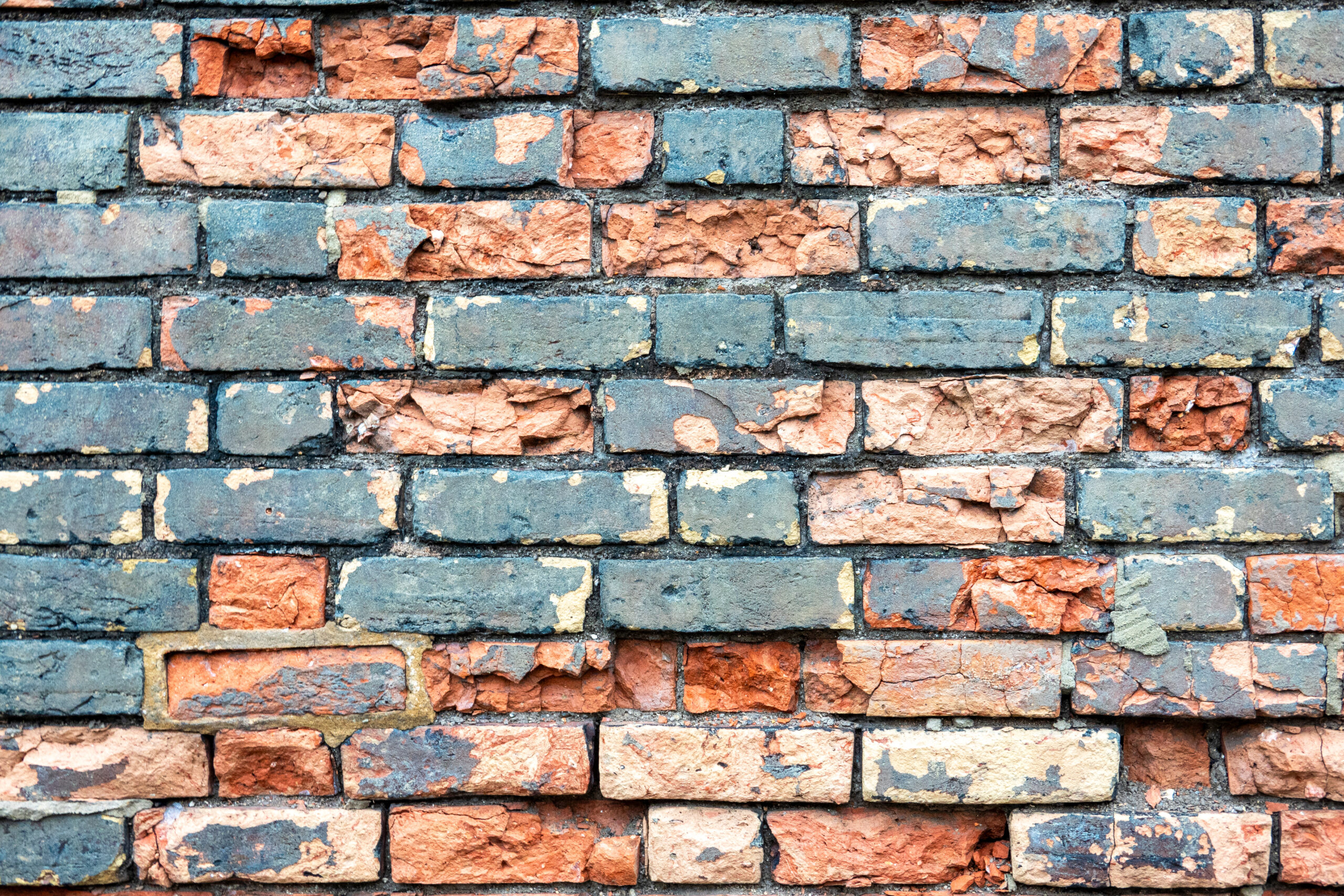
As Chicago property owners walk past their buildings, they might notice pieces of brick flaking off or entire brick faces crumbling away from their facades. This deterioration, known as brick spalling, is more than just an eyesore; it’s a serious structural concern that requires immediate attention from experienced masonry restoration professionals. At Corona Craft Restoration, we’ve spent over two decades diagnosing and repairing brick spalling throughout Chicago’s diverse architectural landscape, from vintage residential buildings to modern commercial high-rises.
What Is Brick Spalling?
Brick spalling refers to the deterioration process where the surface of brick masonry begins to flake, chip, or completely break away from the brick body. This degradation typically manifests in several ways:
- Surface flaking where thin layers peel away
- Pop-outs leaving crater-like depressions
- Corner breakage compromising brick edges
- Complete face detachment exposing the softer interior
- Crumbling or powdering of the brick surface
When this occurs, it exposes the more vulnerable inner portions of the brick to environmental elements, accelerating deterioration and potentially compromising the structural integrity of entire wall systems. The Brick Industry Association notes that untreated spalling can lead to cascading failures throughout masonry structures, making early intervention crucial.
Why Does Brick Spalling Happen?
Understanding the causes of brick spalling is essential for both prevention and proper repair. Chicago’s harsh climate creates perfect conditions for several spalling mechanisms:
Freeze-Thaw Cycles: Water penetrates porous bricks and expands when freezing, creating internal pressure that causes brick spalling. Chicago’s frequent temperature fluctuations—sometimes experiencing multiple freeze-thaw cycles in a single day—make this the leading cause of masonry deterioration in our region.
Moisture Infiltration: Beyond freezing, persistent moisture from:
- Failed or deteriorated mortar joints
- Inadequate drainage systems
- Damaged flashing or coping stones
- Rising damp from foundation issues
- Leaking gutters or downspouts
Salt Damage (Efflorescence): De-icing salts and naturally occurring salts in masonry materials crystallize within brick pores, expanding and causing brick spalling from the inside out. This is particularly problematic for street-level masonry exposed to road salt spray.
Poor Initial Installation: Brick spalling often results from construction defects including:
- Use of inappropriate brick grades for exterior applications
- Improper mortar mix compromising water resistance
- Insufficient expansion joints causing stress accumulation
- Inadequate weatherproofing during original construction
Age and Natural Weathering: Even quality bricks have finite lifespans. Chicago’s historic buildings, some over a century old, naturally experience brick spalling as materials reach the end of their service life. The National Park Service’s Preservation Brief 2 emphasizes that periodic maintenance is essential for extending masonry lifespan.
How to Fix Brick Spalling
Addressing brick spalling requires a systematic approach that goes beyond surface repairs:
1. Professional Assessment
Our experienced team begins with a comprehensive evaluation to:
- Identify all affected areas using visual and instrumental testing
- Determine root causes through moisture analysis
- Assess structural implications of the damage
- Develop a customized restoration strategy
2. Address Underlying Issues
Before repairing visible damage, we eliminate sources of moisture infiltration:
- Repoint deteriorated mortar joints using appropriate materials
- Repair or replace damaged flashing systems
- Improve drainage and water management
- Apply suitable water-repellent treatments
3. Repair Methods Based on Severity
Minor Spalling: Surface treatments and sealants can stabilize early-stage brick spalling while maintaining original materials.
Moderate Damage: Individual brick replacement involves:
- Carefully removing damaged units
- Cleaning cavities and assessing backup materials
- Installing matching replacement bricks
- Repointing with compatible mortar
Severe Spalling: Extensive damage may require:
- Partial wall rebuilding
- Installation of remedial ties or anchors
- Structural reinforcement
- Complete facade restoration
4. Prevention Strategies
Following repair, we implement preventive measures:
- Regular maintenance schedules
- Protective coatings appropriate for brick type
- Improved ventilation to reduce moisture accumulation
- Routine inspections to catch problems early
The Cost of Ignoring Brick Spalling
Delaying repairs leads to exponentially increasing damage and costs. What begins as minor surface deterioration can progress to:
- Structural instability requiring emergency stabilization
- Water damage to interior spaces
- Mold growth within wall cavities
- Complete facade failure necessitating replacement
- Potential safety hazards from falling debris
According to industry data, addressing this early can reduce repair costs by up to 75% compared to waiting until structural damage occurs.
Trust Chicago’s Masonry Restoration Experts
Brick spalling threatens both the appearance and structural integrity of your property. With Chicago’s challenging climate accelerating masonry deterioration, partnering with experienced restoration professionals is essential for protecting your investment. Corona Craft Restoration combines traditional craftsmanship with modern techniques to deliver lasting solutions that preserve your building’s beauty and safety. Don’t let brick spalling compromise your property’s value and safety. Contact Corona Craft Restoration today for a professional assessment. Our team will identify the extent of damage, determine underlying causes, and develop a comprehensive restoration plan tailored to your building’s unique needs. Call us now to schedule your consultation and protect your masonry investment.

